Data Manipulation and Visualisation using R
Intermediate R Course
View the Project on GitHub bioinformatics-core-shared-training/r-intermediate
Course Description
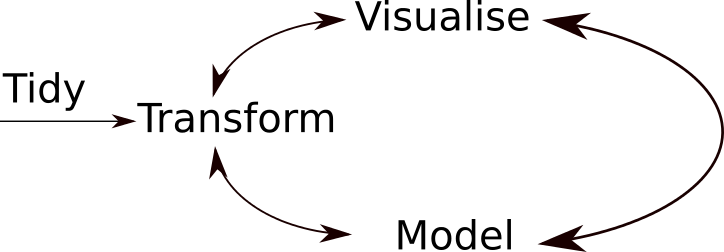
It has been said that 80% of data analysis is spent on the process of cleaning and preparing the data. In this course we introduce some relatively-new additions to the R programming language; dplyr and ggplot2. In combination these provide a powerful toolkit to make the process of manipulating and visualising data easy and intuitive.Course Prequisites
We will assume that you have basic familarity with R and are familiar with vectors, data frames, variables and using functions. We have a crash course that covers these topicsSeveral Online videos are available that cover these materials. For example
- http://shop.oreilly.com/product/0636920034834.do
- http://blog.revolutionanalytics.com/2012/12/coursera-videos.html
- http://bitesizebio.com/webinar/20600/beginners-introduction-to-r-statistical-software